Polo 1.2 TSI Tune-ups: Elevate Your Car With Expert Care
Maintaining a Polo 1.2 TSI is crucial for guaranteeing its longevity and performance. Regular services can significantly improve fuel efficiency and overall driving experience. Expert care involves not just standard procedures, but also specialized diagnostics that can identify problems quickly. Recognizing the importance of these services can make a considerable difference. What specific maintenance practices should vehicle proprietors focus on to truly enhance their vehicle?
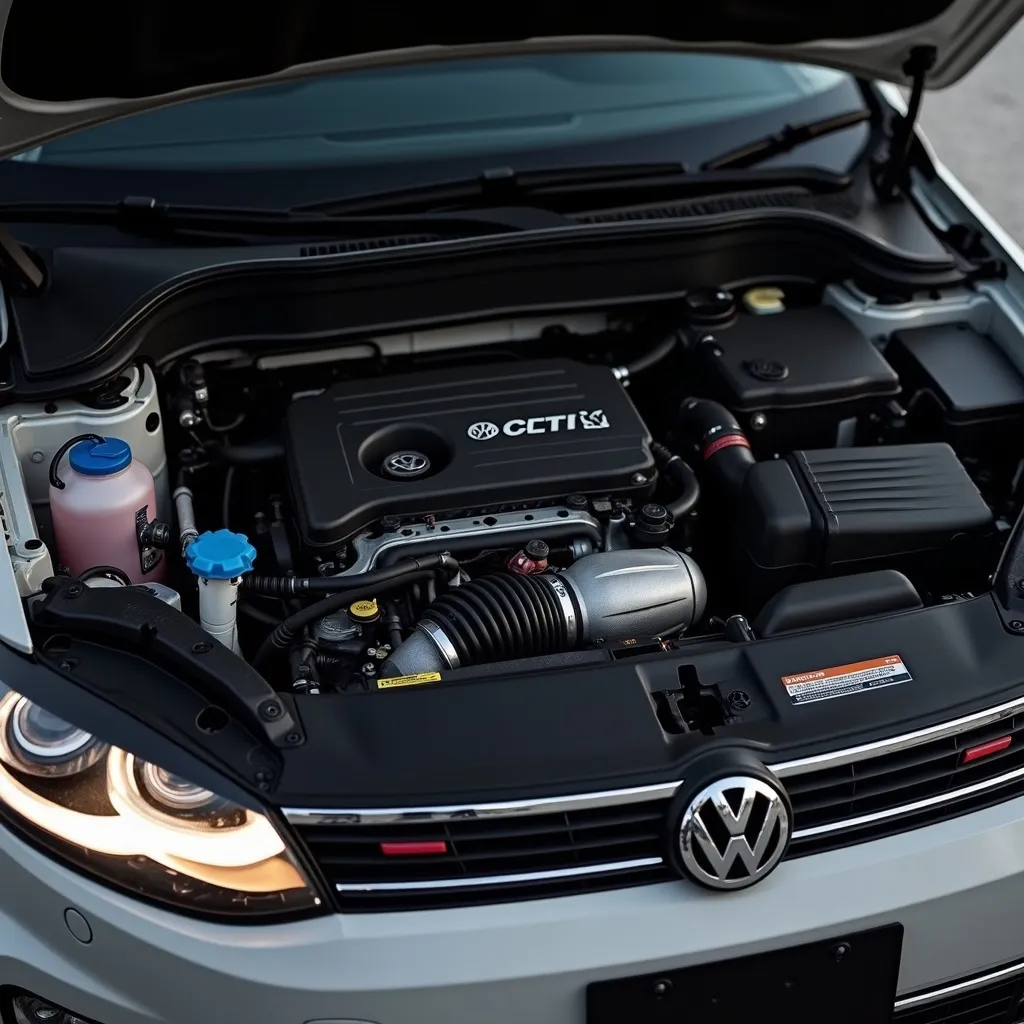
Why Periodic Maintenance Is Necessary for Your Polo 1.2 TSI
Routine servicing functions as an important factor in preserving the lifespan and operation of the Polo 1.2 TSI. This compact vehicle, celebrated for its efficiency and nimbleness, needs periodic inspections to maintain it running at its best. Regular servicing enables catching potential issues before they deteriorate, thus lowering the risk of expensive repairs. Procedures like oil replacements, fluid assessments, and wheel balancing greatly enhance the car's overall health.
In addition, commitment to a maintenance schedule ensures that all components function effectively, improving fuel efficiency and driving experience. A well-maintained Polo 1.2 TSI not only runs better but also preserves its resale value over time. Ignoring upkeep can lead to compromised dependability and might compromise safety features. Ultimately, adhering to regular maintenance is a preventative strategy that protects the vehicle's performance and extends its lifespan, allowing owners to enjoy their driving experience fully.
Critical Engine Solutions for Superior Performance
To maintain the Polo 1.2 TSI performs at optimal performance, essential engine services must be focused on. Frequent oil changes are vital for maintaining lubrication, while regular air filter upkeep ensures ideal airflow to the engine. Together, these maintenance activities significantly improve longevity and capability.
Standard Lubricant Changes
Sustaining ideal engine performance is reliant on the regularity and quality of oil changes. For the Polo 1.2 TSI, consistent oil changes are crucial in ensuring the engine operates smoothly and efficiently. Engine oil lubricates moving parts, minimizes friction, and aids in dispersing heat, which is critical for longevity. Over time, oil degrades and accumulates contaminants, resulting in reduced performance and conceivable harm. Experts suggest changing the oil every 5,000 to 10,000 kilometers, depending on driving conditions and oil type used. Using premium oil that meets manufacturer specifications is equally important, as it offers optimal protection and improves fuel efficiency. Therefore, following a regular oil change routine is vital for maintaining the vehicle's efficiency and dependability.
Servicing Your Air Filter
Optimal engine efficiency is maintained through careful air filter maintenance. The air filter functions as a vital control point for engine airflow, blocking dust and debris from entering the system. A clean air filter boosts fuel efficiency and engine responsiveness, whereas a clogged filter causes reduced power and increased emissions. Regular inspection explore the facts of the air filter, typically at every service interval, is recommended, with replacement as needed or every 12,000 to 15,000 miles. High-quality filters deliver superior filtration, maintaining optimal airflow. Overlooking air filter maintenance threatens engine health, creating expensive repairs. Consequently, for the Polo 1.2 TSI, timely air filter attention is critical for preserving performance and longevity.
The Importance of Making a priority of Quality Oil Changes
Routine oil changes are important for the life expectancy and operation of a Polo 1.2 TSI. Engine oil serves an essential function in protecting engine parts, minimizing friction, and dissipating heat, which helps maintain optimal engine efficiency. Over time, oil can become contaminated with dirt, debris, and engine wear particles, leading to impaired protection and potential engine deterioration.
Emphasizing quality oil changes ensures that the engine operates smoothly and efficiently. Premium-grade oils possess additives crafted to defend the engine from wear and corrosion, strengthening overall efficiency. Furthermore, regular oil changes can increase fuel economy, reducing expenses throughout the years.
In addition, sticking with the manufacturer's suggested oil change schedules can avoid high repair bills and lengthen the vehicle's service life. Ultimately, committing to high-quality oil maintenance is a proactive measure that boosts the driving experience and preserves the Polo 1.2 TSI's capability.
Brake System Inspections: Critical Information
The brake system is indispensable for vehicle operation and safety, making routine inspection important. Signs of brake wear, such as odd noises or diminished braking efficiency, should not be disregarded. Regular assessments not only boost safety but also prolong the lifespan of the brake parts.
Importance Of Brake Safety
While many drivers disregard brake system inspections, their significance cannot be underestimated. The brake system is an essential component of vehicle protection, directly affecting stopping power and overall stability. Regular inspections ensure that all elements, including pads, rotors, and fluid levels, are working at peak performance. Ignoring these evaluations can result in diminished performance, raising the risk of accidents. Moreover, prompt identification of problems can prevent expensive repairs in the future. Brake safety is not merely about preserving vehicle reliability but also about protecting the driver, passengers, and other road users. Prioritizing brake system assessments cultivates a preventative approach to vehicle maintenance, ultimately enhancing a safer driving experience. Drivers should regard these assessments a vital part of responsible car ownership.
Indicators Of Brake Wear
Numerous indicators suggest brake wear, and identifying them promptly can prevent major issues. A common sign is a squealing or scraping noise when braking, suggesting worn brake pads. Additionally, decreased braking response or a spongy feeling in the brake pedal may indicate air in the brake lines or brake fluid loss. Shaking during braking can suggest unevenly worn rotors, while the car drifting sideways may suggest unequal brake pad deterioration. Alert indicators on the dashboard can also indicate braking problems. Regularly monitoring these indicators allows car owners to tackle potential problems before they escalate, ensuring safer driving conditions and extending the life of the brake system. Prompt intervention can save on costly repairs and improve general car functionality.
Periodic Evaluation Benefits
Conducting periodic brake system evaluations delivers vital advantages for vehicle security and performance. By spotting prospective complications ahead of time, these reviews help avert expensive maintenance and enhance the lifespan of brake elements. Periodic reviews guarantee peak operation, lessening the likelihood of brake failure during pivotal moments. Moreover, reviews support reliable braking efficiency, contributing to overall driving comfort and confidence.
Moreover, adhering to a routine inspection schedule permits drivers to copyright safety compliance with safety requirements, dodging penalties and supplying peace of mind. The perks stretch beyond safety, as correctly maintained brakes can increase fuel efficiency and vehicle handling. Ultimately, periodic brake assessments are a forward-thinking approach that substantially helps to a safer and more pleasant driving experience in the Polo 1.2 TSI.
How Regular Tire Upkeep Enhances Safe Driving and Fuel Economy
Proper tire care is crucial for maximizing both security and gas mileage in vehicles like the Polo 1.2 TSI. Consistent tire upkeep, including checking air pressure, tread depth, and alignment, significantly impacts a vehicle's performance. Adequate tire pressure not only enhances fuel efficiency by decreasing resistance but also improves handling and stability, ensuring more secure driving.
Additionally, preserving proper tread depth is essential for optimal grip, especially in wet or slippery conditions. Worn tires can result in increased stopping distances and a higher risk of aquaplaning, compromising safety. Rotating tires periodically encourages uniform wear patterns, prolonging their lifespan and improving fuel economy.
In What Ways Professional Evaluations Help in Preventing Expensive Restorations?
Specialized analysis function as an essential function in uncovering problems within the Polo 1.2 TSI before they worsen into significant concerns. Employing advanced technology, these diagnostic tools assess multiple components within the car, including the motor, gearbox, and electrical components. By spotting fault codes and irregularities early, mechanics can tackle minor issues before they turn into costly repairs.
For instance, a slight engine misfiring detected through diagnostics can lead to a straightforward spark plug replacement, while ignoring it could cause severe engine harm. Routine diagnostic checks also ensure that the vehicle operates efficiently, optimizing fuel consumption and performance. In addition, preventative upkeep informed by diagnostic results improves the longevity of the vehicle, reducing the likelihood of unexpected breakdowns. Ultimately, specialized diagnostics not only protect the Polo 1.2 TSI's operation but also provide peace of mind for the owner, making it an crucial component of proper vehicle care.
Picking the Optimal Service Center for Your Polo 1.2 TSI
Choosing the appropriate repair facility for a Polo 1.2 TSI is essential for maintaining its performance and durability. Vehicle owners should prioritize centers that focus on Volkswagen vehicles, as they possess the necessary expertise and equipment designed for the Polo's unique requirements. It's important to examine the qualifications and experience of the technicians, making sure they are qualified and knowledgeable about the 1.2 TSI engine.
Additionally, reviewing customer feedback and testimonials can yield valuable insights into the service quality and reliability of a center. Transparency in pricing and the supply of genuine parts are also vital factors; reputable centers should extend clear estimates without hidden fees.
Furthermore, a service center that employs sophisticated testing equipment will be better equipped to identify and resolve problems efficiently. Ultimately, selecting a reputable service center can greatly enhance the overall performance and prolong the lifespan of the Polo 1.2 TSI.
Frequently Requested Questions
How regularly Do I Need to replace My Polo 1.2 TSI air filter?
The air filter contained in a Polo 1.2 TSI ought to commonly be exchanged every 15,000 to 30,000 miles, influenced by driving conditions. Consistent checks can support keep up optimal engine performance and fuel efficiency.
What Are Typical Indicators of Engine Trouble in My Polo 1.2 TSI?
Common indicators of motor problems in the Polo 1.2 TSI include strange sounds, reduced efficiency, alert indicators on the instrument panel, excessive exhaust smoke, and motor tremors. These indicators point to potential mechanical issues demanding immediate attention.
Is it feasible for me to perform basic maintenance myself?
Yes, basic maintenance can be done yourself, including work such as checking oil levels, swapping out air filters, and changing wiper blades. However, more complex tasks may require professional assistance to ensure optimal car operation.
What Protection Choices Can You Get for Service Work?
Numerous coverage options for maintenance services typically contain manufacturer warranties, extended warranties, and service contracts. Each option may cover different aspects, so it's important to check terms and conditions for detailed knowledge and coverage.
Can you locate specialized services that manage performance upgrades?
Yes, specialized services for performance upgrades are obtainable, highlighting refining engine responsiveness, suspension, and exhaust systems. These upgrades intend to elevate overall operator satisfaction, supplying tailored solutions for devotees desiring better acceleration.